
INSIGHTS / CONDO DEMOLITION
CONDO DEMOLITION
QUESTIONS,
ANSWERED.
The questions owners, remodelers and property managers ask most often before a condo unit gets stripped, and the answers we give on site.
PUBLISHED SEPTEMBER 2, 2026
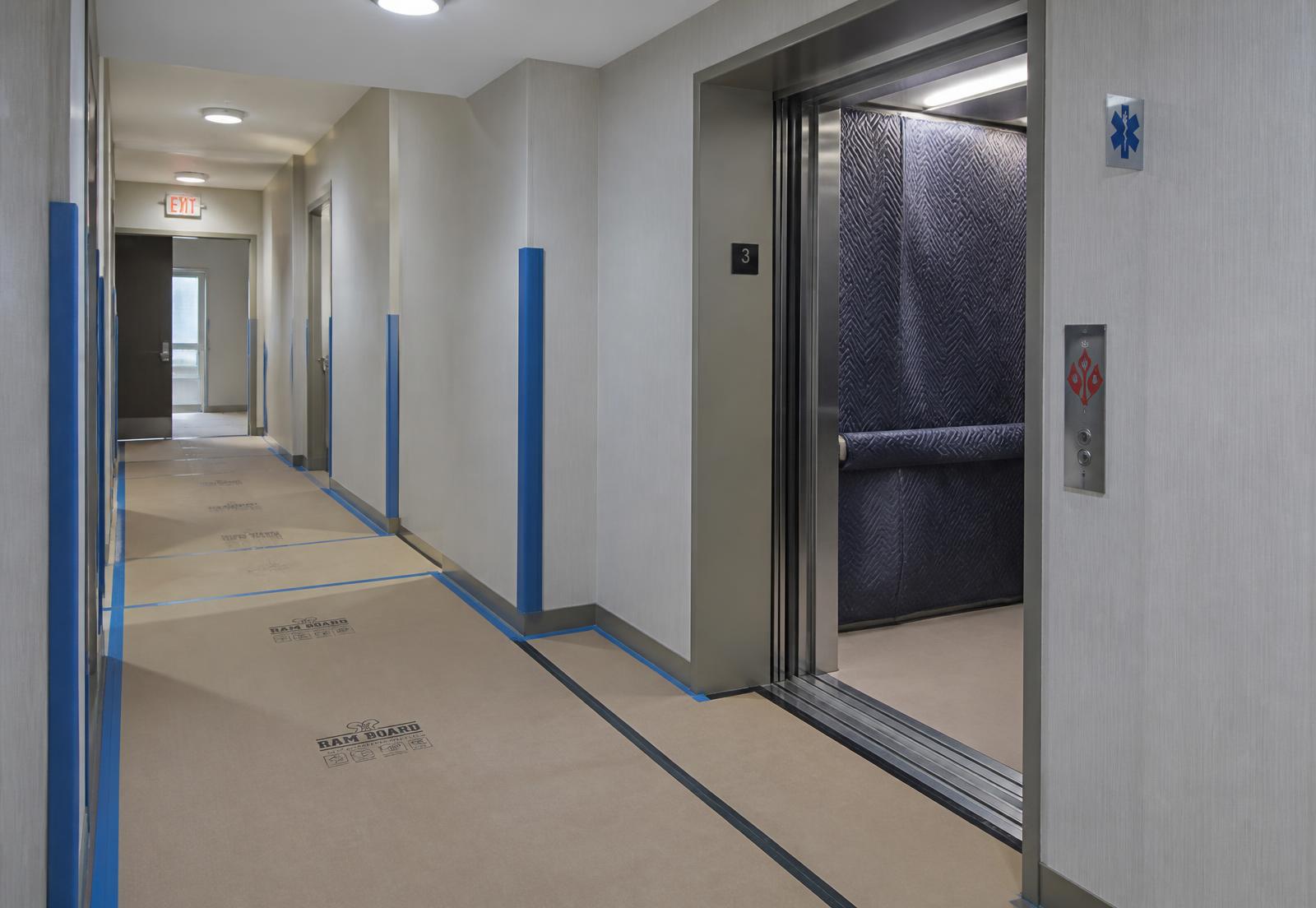
Condo demolition is a logistics job as much as a demolition job. The scope inside the unit is usually the simple part. The building rules, the elevator, the debris route and the paperwork decide the schedule. Here is what people ask us.
- 01Do I need HOA or association approval before demolition starts?
- In almost every South Florida building, yes. Associations typically require an approved renovation application, a licensed contractor on file, certificates of insurance and an agreed work window before a crew can bring tools up. Send us the approval package requirements with the project and we plan the demolition around them.
- 02What certificates of insurance does the building need?
- Most buildings ask for a COI naming the association and the management company as additional insured, with general liability and workers compensation limits set by the building. Requirements vary by property, so we work from the certificate language the building publishes rather than a generic form.
- 03What hours can demolition work happen in a condo?
- Buildings set their own start and stop times, quiet hours and seasonal restrictions. Common windows in this area run weekday mornings through mid afternoon, with no weekend work and limits during high season. We sequence the demolition to the hours the building allows instead of asking for exceptions once the crew is on site.
- 04How does debris get out of a high-rise unit?
- Contained loads, covered carts and one planned route from the unit door to the truck, usually through a reserved freight elevator and a designated service exit or loading zone. Chutes and balcony removal are not permitted in most buildings here.
- 05Do you need to reserve the freight elevator?
- Yes, in most buildings. Elevator reservations, pads and an operator or key from the management office control how much material can move per day. A tenth-floor unit sharing one freight car runs on a different schedule than a second-floor unit near a service door.
- 06How do you protect corridors, elevators and lobbies?
- Protection goes down on the full route before any material moves: corridor floor covering, elevator cab pads, door frames, wall surfaces and lobby stone where the path crosses it. Protection comes out at the end of the day when the building requires the common areas clear.
- 07How much does condo demolition cost?
- Pricing depends on scope and access, not square footage alone. The drivers are what comes out (cabinets, tile and thinset, ceilings, partitions), how much material has to travel, the floor level and elevator situation, the allowed work hours, and disposal volume. We price the building along with the unit and put the scope in writing.
- 08Is disposal included in the demolition price?
- Yes. Demo and disposal is a single scope for us: the material we remove is the material we haul and dispose of, so there is no separate junk removal call after the crew leaves.
- 09How long does a condo unit strip-out take?
- A kitchen and two baths in an accessible unit with normal work hours is commonly a few days. Full unit strip-outs with tile throughout, restricted hours or a shared freight elevator run longer. We give a schedule based on the building's constraints, not a best case.
- 10What happens if asbestos or mold is suspected?
- Work stops in that area. Older buildings can have asbestos in floor tile, mastic, popcorn ceilings and joint compound, and water damage behind finishes can mean mold. Both require licensed testing and, if positive, a licensed abatement contractor before selective demolition continues. We do not demolish through suspect material.
- 11Can you work around plumbing, electrical and shared building systems?
- Yes. Selective demolition means removing the finishes and non-structural elements in the written scope while leaving structure, risers, shared stacks and live systems intact for the trades that follow. Anything structural needs an engineer and permits before it is touched.
- 12What condition is the unit left in?
- Demolition complete to the written scope, debris removed, unit broom-clean or vacuumed as appropriate, debris route checked and cleaned, and completion photos sent. That is what we mean by site ready.